Ever wondered how complex software or business processes are designed flawlessly? The secret lies in system analysis—a powerful discipline that bridges gaps between needs and solutions. Let’s dive into what makes it indispensable in today’s digital world.





What Is System Analysis? A Clear Definition

At its core, system analysis is the process of studying a system or its components to identify objectives, functions, and potential improvements. It’s widely used in software development, business process optimization, and IT infrastructure planning. This foundational step ensures that any new system meets user requirements efficiently and effectively.
The Core Purpose of System Analysis
The primary goal of system analysis is to understand how a system works and determine how it can be improved. Whether it’s a legacy software system or a manual business workflow, analysts dissect processes to find inefficiencies, redundancies, and opportunities for automation.
- To define clear system requirements
- To ensure alignment between business goals and technical solutions
- To minimize risks during system development or integration
“System analysis is not just about technology—it’s about understanding people, processes, and problems.” — Dr. Linda Rising, Software Engineering Expert
Key Characteristics of Effective System Analysis
A successful system analysis isn’t just technical—it’s strategic. It requires a blend of analytical thinking, communication skills, and domain knowledge. Key characteristics include:
- Objectivity: Analysts must remain neutral, focusing on facts rather than assumptions.
- Detail-Oriented: Small oversights can lead to major system failures down the line.
- Problem-Solving Focus: The emphasis is on identifying root causes, not just symptoms.
The Role of System Analysis in Modern Business
In today’s fast-paced digital economy, businesses rely heavily on data-driven decisions and automated workflows. System analysis plays a critical role in ensuring these systems are not only functional but also scalable and secure. From fintech startups to multinational corporations, organizations use system analysis to streamline operations and gain competitive advantages.
Driving Digital Transformation
One of the most impactful applications of system analysis is in digital transformation initiatives. Companies undergoing digital shifts often face legacy systems that no longer meet current demands. Through thorough system analysis, organizations can map out migration paths, integrate new technologies, and redesign outdated processes.
For example, a retail company moving from brick-and-mortar to e-commerce must analyze customer ordering systems, inventory management, and payment gateways. Without proper system analysis, such transitions risk failure due to poor integration or unmet user expectations.
Learn more about digital transformation through system analysis at Gartner’s IT Glossary.
Supporting Agile and DevOps Practices
Modern software development methodologies like Agile and DevOps depend on continuous feedback and iterative improvements. System analysis fits seamlessly into these frameworks by providing structured insights at every sprint or release cycle.
- In Agile, analysts work closely with product owners to refine user stories and acceptance criteria.
- In DevOps, system analysis helps identify bottlenecks in CI/CD pipelines and deployment environments.
- It enables proactive monitoring and performance tuning before issues affect end-users.
Types of System Analysis: Understanding the Variants
Not all system analysis is the same. Depending on the context, different types of analysis are applied to address specific challenges. Understanding these variations allows organizations to choose the right approach for their needs.
Business System Analysis
This type focuses on business processes, organizational structures, and operational workflows. Business system analysts act as intermediaries between stakeholders and technical teams, translating business needs into functional requirements.
Common tools used include SWOT analysis, process mapping, and stakeholder interviews. The outcome is often a Business Requirements Document (BRD) that guides development efforts.
Technical System Analysis
Also known as software or IT system analysis, this variant dives deep into technical architecture, data flow, and system integration. It’s typically conducted by systems analysts or software architects who assess hardware, software, network configurations, and security protocols.
Tools like UML diagrams, ERDs (Entity Relationship Diagrams), and API documentation are standard in this domain. For a comprehensive guide on technical modeling, visit UML Diagrams.
Feasibility System Analysis
Before any project begins, a feasibility study is conducted to evaluate whether the proposed system is viable. This includes assessing technical, economic, legal, operational, and schedule-related factors.
- Technical Feasibility: Can the technology support the system?
- Economic Feasibility: Will the benefits outweigh the costs?
- Operational Feasibility: Can the organization adapt to the changes?
The 7-Step System Analysis Process Explained
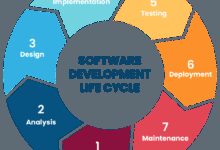
To conduct effective system analysis, professionals follow a structured methodology. While variations exist, the following seven-step framework is widely accepted across industries and provides a robust roadmap for success.
Step 1: Preliminary Investigation
The first step involves identifying the problem or opportunity that necessitates system analysis. This could stem from user complaints, declining performance, or strategic business goals.
Activities include:
- Conducting initial interviews with key stakeholders
- Reviewing existing documentation and system logs
- Defining the scope and objectives of the analysis
A well-defined problem statement prevents scope creep and keeps the project focused.
Step 2: Information Gathering
This phase is all about collecting data. Analysts use various techniques to gather information about current systems, user behaviors, and business rules.
Common methods include:
- Interviews: One-on-one discussions with users, managers, and IT staff.
- Questionnaires: Structured surveys to collect feedback from a large audience.
- Observation: Watching how users interact with the current system in real-time.
- Document Analysis: Reviewing manuals, reports, and policy documents.
Each method has strengths and limitations, so a combination is often used for comprehensive insights.
Step 3: Data Analysis and Modeling
Once data is collected, the next step is to analyze it and create models that represent the system. These models help visualize processes, data flows, and interactions.
Popular modeling techniques include:
- Data Flow Diagrams (DFD): Show how data moves through a system.
- Use Case Diagrams: Illustrate interactions between users and the system.
- Process Flowcharts: Map out step-by-step procedures.
These visual tools make complex systems easier to understand and communicate.
Step 4: Requirements Specification
This is where the analyst documents what the new system must do. Requirements are typically divided into two categories:
- Functional Requirements: Describe specific behaviors (e.g., “The system shall allow users to reset passwords”).
- Non-Functional Requirements: Cover performance, security, usability, and scalability (e.g., “The system must handle 10,000 concurrent users”).
The output is usually a Software Requirements Specification (SRS) document, which serves as a contract between developers and stakeholders.
Step 5: Feasibility Study
After defining requirements, the analyst evaluates whether the proposed system is feasible. This involves assessing:
- Available technology and resources
- Budget constraints
- Timeline for implementation
- Potential risks and mitigation strategies
If the system is deemed unfeasible, the team may need to revise requirements or explore alternative solutions.
Step 6: System Design Proposal
Based on the analysis, the analyst prepares a design proposal outlining how the system should be built. This includes architectural diagrams, technology stack recommendations, and interface designs.
The proposal is presented to stakeholders for approval before development begins. It acts as a blueprint for the entire project.
Step 7: Presentation and Approval
The final step in the system analysis phase is presenting findings and recommendations to decision-makers. This presentation should be clear, concise, and backed by data.
Stakeholders review the proposal and either approve it, request modifications, or reject it. Once approved, the project moves into the system design and implementation phase.
Tools and Techniques Used in System Analysis
Modern system analysis relies on a variety of tools and techniques to enhance accuracy, efficiency, and collaboration. These range from diagramming software to requirement management platforms.
Diagramming and Modeling Tools
Visual representation is key in system analysis. Tools like Lucidchart, Microsoft Visio, and Draw.io allow analysts to create professional diagrams such as flowcharts, DFDs, and UML models.
These tools support real-time collaboration, version control, and integration with project management systems.
Requirement Management Software
Managing hundreds or thousands of requirements manually is impractical. Tools like Jira, Trello, and IBM Rational DOORS help track, prioritize, and validate requirements throughout the project lifecycle.
- They enable traceability from requirement to test case.
- Support change management and impact analysis.
- Facilitate audit trails for compliance purposes.
Data Analysis and Simulation Tools
For quantitative analysis, tools like Excel, Tableau, and MATLAB are used to model system behavior, predict performance, and simulate scenarios.
For instance, a system analyst might use simulation to test how a new database will perform under peak load conditions before deployment.
Challenges in System Analysis and How to Overcome Them
Despite its importance, system analysis is not without challenges. Miscommunication, incomplete data, and evolving requirements can derail even the best-planned projects.
Dealing with Vague or Conflicting Requirements
One of the most common issues is when stakeholders provide unclear or contradictory requirements. To overcome this, analysts must ask probing questions, validate assumptions, and use prototypes to clarify expectations.
Prototyping allows users to see a working model early, reducing misunderstandings later in the project.
Managing Scope Creep
Scope creep occurs when additional features or changes are introduced without proper evaluation. This can lead to delays, budget overruns, and reduced quality.
Countermeasures include:
- Establishing a formal change control process
- Setting clear project boundaries from the start
- Regularly reviewing progress with stakeholders
Ensuring Stakeholder Engagement
Lack of stakeholder involvement is a major risk. If key decision-makers are not engaged, the final system may not meet actual needs.
Solutions include:
- Scheduling regular update meetings
- Using collaborative tools for transparent communication
- Providing visual dashboards to show project status
The Future of System Analysis: Trends and Innovations
As technology evolves, so does the practice of system analysis. Emerging trends are reshaping how analysts work, making the process faster, smarter, and more predictive.
AI and Machine Learning in System Analysis
Artificial Intelligence is beginning to play a role in automating parts of system analysis. AI-powered tools can analyze logs, detect anomalies, and even suggest optimizations based on historical data.
For example, machine learning models can predict system failures by analyzing patterns in performance metrics, enabling proactive maintenance.
Integration with Big Data Analytics
With the explosion of data, system analysts now have access to vast amounts of information. Big data analytics allows them to uncover hidden patterns, user behaviors, and system inefficiencies that were previously invisible.
This leads to more informed decisions and highly optimized systems.
Rise of Low-Code and No-Code Platforms
Low-code and no-code platforms are democratizing system development. Analysts can now build functional prototypes or even full systems without writing code, accelerating the analysis-to-implementation cycle.
Platforms like Microsoft Power Apps and OutSystems are empowering business analysts to take a more active role in system design.
Best Practices for Successful System Analysis
To ensure your system analysis delivers value, follow these proven best practices:
Start with Clear Objectives
Define what success looks like from the beginning. Are you improving speed, reducing errors, or enhancing user experience? Clear objectives guide every decision in the analysis process.
Involve Stakeholders Early and Often
Engage users, managers, and technical teams throughout the process. Their input is invaluable for identifying real needs and avoiding costly rework.
Document Everything
Thorough documentation ensures continuity, supports audits, and serves as a reference for future enhancements. Use standardized templates for consistency.
Validate Assumptions with Evidence
Never assume you know what users need. Test your hypotheses through observation, interviews, and prototyping. Evidence-based analysis leads to better outcomes.
Stay Updated with Industry Trends
Technology and methodologies evolve rapidly. Continuous learning through certifications, webinars, and professional networks keeps analysts ahead of the curve.
What is system analysis?
System analysis is the process of studying a system to understand its components, functions, and interactions in order to identify problems, improve efficiency, and design better solutions. It is widely used in software development, business process management, and IT planning.
Why is system analysis important?
It ensures that new systems meet user requirements, align with business goals, and are technically feasible. It reduces risks, prevents costly errors, and provides a clear roadmap for development and implementation.
What are the main steps in system analysis?
The key steps include preliminary investigation, information gathering, data modeling, requirements specification, feasibility study, design proposal, and stakeholder approval. Each step builds on the previous one to create a comprehensive understanding of the system.
What tools are used in system analysis?
Common tools include diagramming software (e.g., Lucidchart, Visio), requirement management platforms (e.g., Jira, Trello), and data analysis tools (e.g., Excel, Tableau). These help analysts visualize, organize, and analyze system components effectively.
How does system analysis differ from system design?
System analysis focuses on understanding the problem and defining what the system should do. System design, on the other hand, deals with how the system will be built—its architecture, components, and technical implementation.
System analysis is the backbone of any successful technology or business transformation. From defining requirements to predicting future trends, it empowers organizations to make informed decisions and build systems that truly meet user needs. By following structured methodologies, leveraging modern tools, and embracing innovation, analysts can drive efficiency, reduce risk, and deliver lasting value. Whether you’re a beginner or a seasoned professional, mastering system analysis is a powerful step toward excellence in the digital age.
Further Reading: