Ever wondered how complex software systems come to life? It all starts with a powerful framework known as the system development life cycle. This structured approach guides teams from concept to deployment—and beyond.



What Is the System Development Life Cycle?

The system development life cycle (SDLC) is a comprehensive framework used to design, develop, test, and deploy information systems efficiently. It provides a clear roadmap for managing software projects, ensuring quality, minimizing risks, and meeting user requirements. Originally developed for large-scale government and enterprise systems, SDLC has evolved into a cornerstone of modern software engineering.
Core Definition and Purpose
At its heart, the system development life cycle is a process model that breaks down the development of a software system into distinct phases. Each phase has specific goals, deliverables, and checkpoints. The primary purpose is to produce high-quality systems that meet or exceed expectations, are completed on time, and within budget.
- Ensures structured planning and execution
- Facilitates stakeholder communication
- Reduces project failure rates
According to the ISACA, organizations that follow a formal SDLC report up to 40% fewer project overruns and defects.
Historical Evolution of SDLC
The concept of the system development life cycle dates back to the 1960s when mainframe computing required rigorous documentation and control. As computing evolved, so did SDLC. From the rigid Waterfall model to agile frameworks, the lifecycle has adapted to technological and business changes.
Early versions focused heavily on documentation and sequential processing. Today’s models emphasize flexibility, user feedback, and iterative development. This shift reflects the growing need for speed and adaptability in software delivery.
“SDLC is not just a methodology—it’s a philosophy of disciplined software creation.” — Dr. Barry Boehm, Software Engineering Pioneer
Key Phases of the System Development Life Cycle
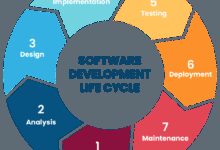
A successful system development life cycle consists of several well-defined phases. While models may vary, most include seven core stages. Understanding these phases is crucial for project managers, developers, and stakeholders alike.
1. Planning and Requirement Analysis
This initial phase sets the foundation for the entire project. It involves gathering detailed requirements from stakeholders, identifying objectives, and assessing feasibility. Teams conduct interviews, surveys, and workshops to define what the system must do.
Key activities include:
- Identifying user needs and business goals
- Conducting cost-benefit analysis
- Defining project scope and constraints
A well-documented Software Requirements Specification (SRS) is typically produced here. This document becomes the reference point for all future development work. Skipping or rushing this phase often leads to costly rework later.
2. System Design
Once requirements are clear, the next step in the system development life cycle is designing the system architecture. This phase translates user needs into technical specifications. Designers create blueprints that outline system components, data flow, interfaces, and security measures.
Two main types of design occur here:
- High-level design (HLD): Focuses on system architecture, modules, and relationships.
- Low-level design (LLD): Details algorithms, database schemas, and class structures.
Tools like UML (Unified Modeling Language) and ER diagrams are commonly used. A solid design reduces ambiguity and ensures developers have a clear path forward.
3. Implementation (Coding)
This is where the actual coding happens. Developers write programs based on the design documents. The system development life cycle now moves from theory to practice. Programming languages, frameworks, and development environments are selected based on project needs.
Best practices during implementation include:
- Following coding standards
- Using version control systems (e.g., Git)
- Writing modular, reusable code
Continuous integration tools like Jenkins or GitHub Actions are often integrated at this stage to automate builds and tests. The output is a working software prototype or full version ready for testing.
Popular SDLC Models and Methodologies
There is no one-size-fits-all approach in the system development life cycle. Different projects require different models. Choosing the right methodology depends on project size, complexity, team structure, and client involvement.
Waterfall Model
The Waterfall model is the oldest and most traditional SDLC approach. It follows a linear, sequential flow where each phase must be completed before the next begins. This model works well for projects with stable, well-understood requirements.
Advantages:
- Simple to understand and manage
- Clear milestones and deliverables
- Good for regulatory or documentation-heavy environments
Disadvantages:
- Limited flexibility for changes
- Testing occurs late in the cycle
- High risk if requirements are misunderstood
For more on the Waterfall model, visit Carnegie Mellon’s Software Engineering Institute.
Agile Model
The Agile model revolutionized the system development life cycle by introducing iterative and incremental development. Instead of delivering one final product, Agile delivers working software in small, frequent releases called sprints.
Key principles include:
- Customer collaboration over contract negotiation
- Responding to change over following a plan
- Working software as the primary measure of progress
Popular Agile frameworks include Scrum, Kanban, and Extreme Programming (XP). Agile is ideal for dynamic environments where user feedback and market conditions change rapidly.
“Individuals and interactions over processes and tools.” — Agile Manifesto, 2001
Iterative and Spiral Models
The Iterative model builds the system in cycles. Each iteration goes through planning, design, implementation, and testing. The product is refined with each cycle until it meets all requirements.
The Spiral model combines iterative development with risk analysis. It’s especially useful for large, high-risk projects. Each loop in the spiral includes:
- Planning
- Risk assessment
- Engineering
- Evaluation by stakeholders
These models offer flexibility and early detection of issues but require strong project management to avoid scope creep.
The Role of Testing in the System Development Life Cycle
Testing is not an afterthought—it’s a critical phase embedded throughout the system development life cycle. Its purpose is to identify defects, ensure functionality, and verify that the system meets requirements.
Types of Testing in SDLC
Different testing types are applied at various stages:
- Unit Testing: Tests individual components or functions.
- Integration Testing: Checks how modules work together.
- System Testing: Validates the complete system against specifications.
- Acceptance Testing: Conducted by users to confirm readiness for deployment.
Automated testing tools like Selenium, JUnit, and TestNG help streamline this process and improve coverage.
Test-Driven Development (TDD)
In TDD, tests are written before the actual code. Developers first create a failing test case, then write code to pass it. This approach ensures that every feature is testable from the start and promotes cleaner, more reliable code.
TDD aligns well with Agile and DevOps practices. It reduces bugs, improves design, and increases developer confidence. However, it requires discipline and can slow initial development speed.
“Test early, test often.” — Industry Best Practice
Deployment and Maintenance in the System Development Life Cycle
After rigorous testing, the system is ready for deployment. But the system development life cycle doesn’t end here—maintenance ensures long-term success.
Deployment Strategies
How you deploy your system matters. Common strategies include:
- Big Bang Deployment: The entire system goes live at once.
- Phased Deployment: Modules are rolled out gradually.
- Parallel Running: Old and new systems operate simultaneously during transition.
- Blue-Green Deployment: Two identical environments; traffic is switched after testing.
Each strategy has trade-offs in risk, cost, and downtime. The choice depends on business impact and rollback requirements.
Post-Deployment Maintenance
Maintenance is often the longest phase in the system development life cycle. It includes:
- Fixing bugs discovered in production
- Updating software for new operating systems or hardware
- Enhancing features based on user feedback
- Improving performance and security
Studies show that maintenance can consume up to 70% of a system’s total lifecycle cost. Proactive monitoring, logging, and user support are essential for minimizing disruptions.
Benefits of Following the System Development Life Cycle
Adopting a formal system development life cycle offers numerous advantages for organizations of all sizes.
Improved Project Management
SDLC provides a structured framework that makes project planning, scheduling, and tracking easier. Managers can set clear milestones, allocate resources efficiently, and monitor progress using standardized metrics.
- Reduces ambiguity in roles and responsibilities
- Enables better risk identification and mitigation
- Supports accurate budgeting and forecasting
Tools like Gantt charts, burndown charts, and project management software (e.g., Jira, Trello) integrate seamlessly with SDLC processes.
Higher Quality Deliverables
By enforcing systematic testing, reviews, and documentation, SDLC significantly improves software quality. Defects are caught earlier, reducing the cost of fixes. According to IBM, fixing a bug in production can cost 100x more than during the design phase.
Quality assurance is built into every stage, not tacked on at the end. This leads to more reliable, secure, and user-friendly systems.
Enhanced Stakeholder Satisfaction
Clear communication, regular updates, and user involvement throughout the system development life cycle lead to higher satisfaction. Clients feel heard, and end-users get systems that truly meet their needs.
Transparency builds trust. When stakeholders see progress through demos, reports, and feedback loops, they are more likely to support the project.
Challenges and Limitations of SDLC
Despite its benefits, the system development life cycle is not without challenges. Understanding these limitations helps teams adapt and succeed.
Rigidity in Traditional Models
Waterfall and other linear models can be too rigid for fast-changing environments. Once a phase is completed, going back to make changes is difficult and costly. This inflexibility can lead to systems that are outdated by the time they launch.
Agile and hybrid models address this by allowing continuous feedback and adaptation. However, they require cultural shifts and skilled teams to implement effectively.
Resource Intensity
Following a full SDLC requires significant time, personnel, and financial investment. Small teams or startups may find it challenging to maintain comprehensive documentation, conduct formal reviews, or run extensive tests.
Scaling down SDLC practices without losing effectiveness is a common challenge. Lightweight frameworks like Lean or Minimum Viable Product (MVP) approaches can help balance rigor with agility.
Scope Creep and Requirement Volatility
One of the biggest risks in any system development life cycle is scope creep—uncontrolled changes or additions to project scope. This often stems from unclear initial requirements or evolving business needs.
Effective change management processes, such as change control boards and impact analysis, are essential to keep projects on track. Regular stakeholder engagement helps align expectations and prevent surprises.
Integrating DevOps with the System Development Life Cycle
In today’s fast-paced digital world, the system development life cycle is increasingly merging with DevOps practices. This integration bridges the gap between development and operations, enabling faster, more reliable software delivery.
What Is DevOps?
DevOps is a set of practices that combines software development (Dev) and IT operations (Ops). Its goal is to shorten the development lifecycle and provide continuous delivery with high software quality.
Key DevOps practices include:
- Continuous Integration (CI)
- Continuous Delivery/Deployment (CD)
- Infrastructure as Code (IaC)
- Monitoring and logging
When integrated into the system development life cycle, DevOps automates repetitive tasks, improves collaboration, and enhances deployment frequency.
CI/CD Pipelines in SDLC
A CI/CD pipeline automates the process of building, testing, and deploying code. Every code commit triggers a series of automated tests. If tests pass, the code is deployed to staging or production environments.
This approach reduces human error, speeds up releases, and ensures consistent quality. Tools like Jenkins, GitLab CI, and AWS CodePipeline are widely used to implement CI/CD in modern SDLC workflows.
“DevOps isn’t a goal, it’s a never-ending process of continual improvement.” — Jez Humble, Author of “Continuous Delivery”
What is the system development life cycle?
The system development life cycle (SDLC) is a structured process for planning, creating, testing, and deploying information systems. It consists of multiple phases, including planning, design, implementation, testing, deployment, and maintenance, ensuring high-quality software delivery.
What are the main SDLC models?
The main SDLC models include Waterfall, Agile, Iterative, Spiral, and V-Model. Each has unique strengths and is suited to different project types based on requirements, team size, and risk tolerance.
Why is testing important in SDLC?
Testing ensures that the software meets requirements, functions correctly, and is free of critical defects. It reduces the cost of fixing bugs later and increases user satisfaction and system reliability.
How does Agile fit into the system development life cycle?
Agile integrates into the system development life cycle by breaking the project into small, iterative cycles called sprints. Each sprint includes planning, development, testing, and review, allowing for continuous feedback and adaptation.
Can SDLC be used for small projects?
Yes, SDLC can be scaled for small projects. While full documentation may not be necessary, following core principles like requirement gathering, testing, and maintenance improves outcomes even for minimal systems.
Understanding the system development life cycle is essential for anyone involved in software creation. From initial planning to long-term maintenance, SDLC provides a proven framework for delivering successful systems. While challenges exist, modern adaptations like Agile and DevOps enhance its relevance in today’s dynamic tech landscape. By embracing SDLC principles, organizations can build better software, faster and with greater confidence.
Recommended for you 👇
Further Reading: